Views: 3 Author: Site Editor Publish Time: 2025-10-13 Origin: Site
Protective restraints are required for critically ill patients in intensive care who meet any of the following criteria:
1. Demonstrate severe suicidal tendencies, self-harm, or violent behavior toward others
2. Exhibit extreme agitation or restlessness
3. Suffer from impaired consciousness or delirium
4. Refuse cooperation with medical procedures (e.g., IV infusion, intramuscular injections, nasogastric feeding)
5. Patient's reasonable request (e.g., when a patient informs medical staff that they cannot control their impulsive behavior and requests restraint)
Types of Restraint Straps and Usage Methods
I.Limb Restraint Straps
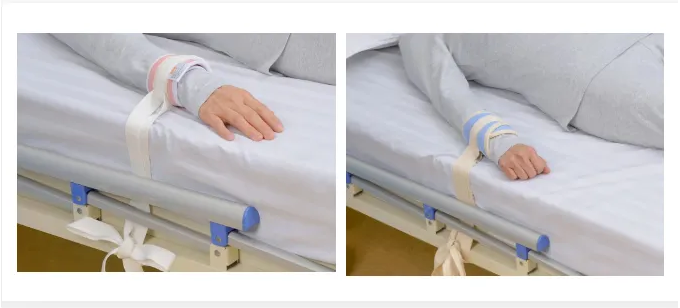
Secure the wrists and ankles with restraint straps, tightening them slightly. Fasten the straps to bed rails out of the patient's reach.
II. Restraint Gloves
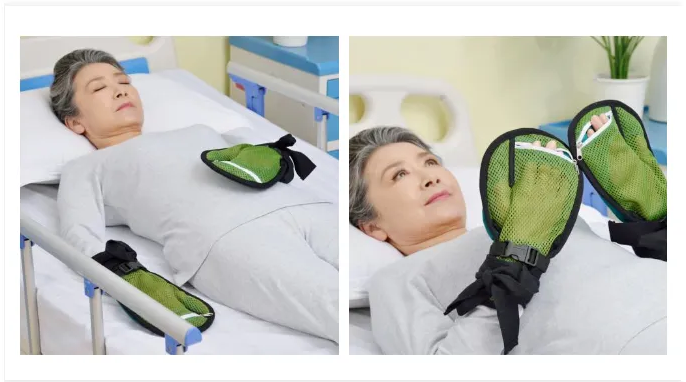
One side cotton, one side mesh, with built-in molded elastic rigid plastic plates to enhance comfort and reduce skin damage from straps.
III. Shoulder Restraint Straps
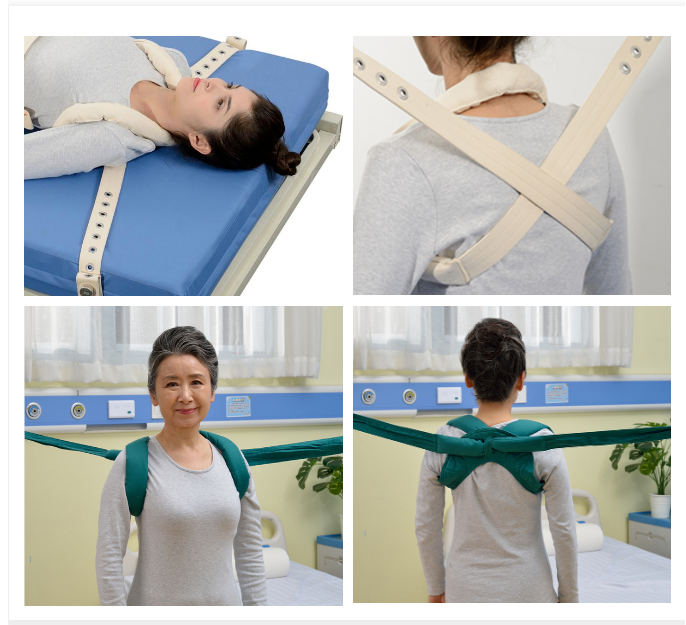
Secures shoulders to restrict patient sitting up. Place shoulder straps over both shoulders and secure straps to bedhead and bedrails.
IV. When Can Restraints Be Removed?
Physical restraints are a primary measure in many countries' ICUs to prevent unplanned extubation (primarily patient-initiated extubation).
The decision to remove restraints requires assessment by healthcare providers. Protective restraints may be considered for removal when the patient's condition is stable, they are alert and cooperative with treatment, capable of self-control, and pose no risk of extubation or falling out of bed.
Protective restraints are implemented to safeguard patients and ensure treatment continuity. Their purpose is patient safety. When families express doubts or lack understanding, healthcare providers should provide thorough explanations. The ultimate goal is to ensure patient safety, facilitate early recovery, and prevent bodily harm.